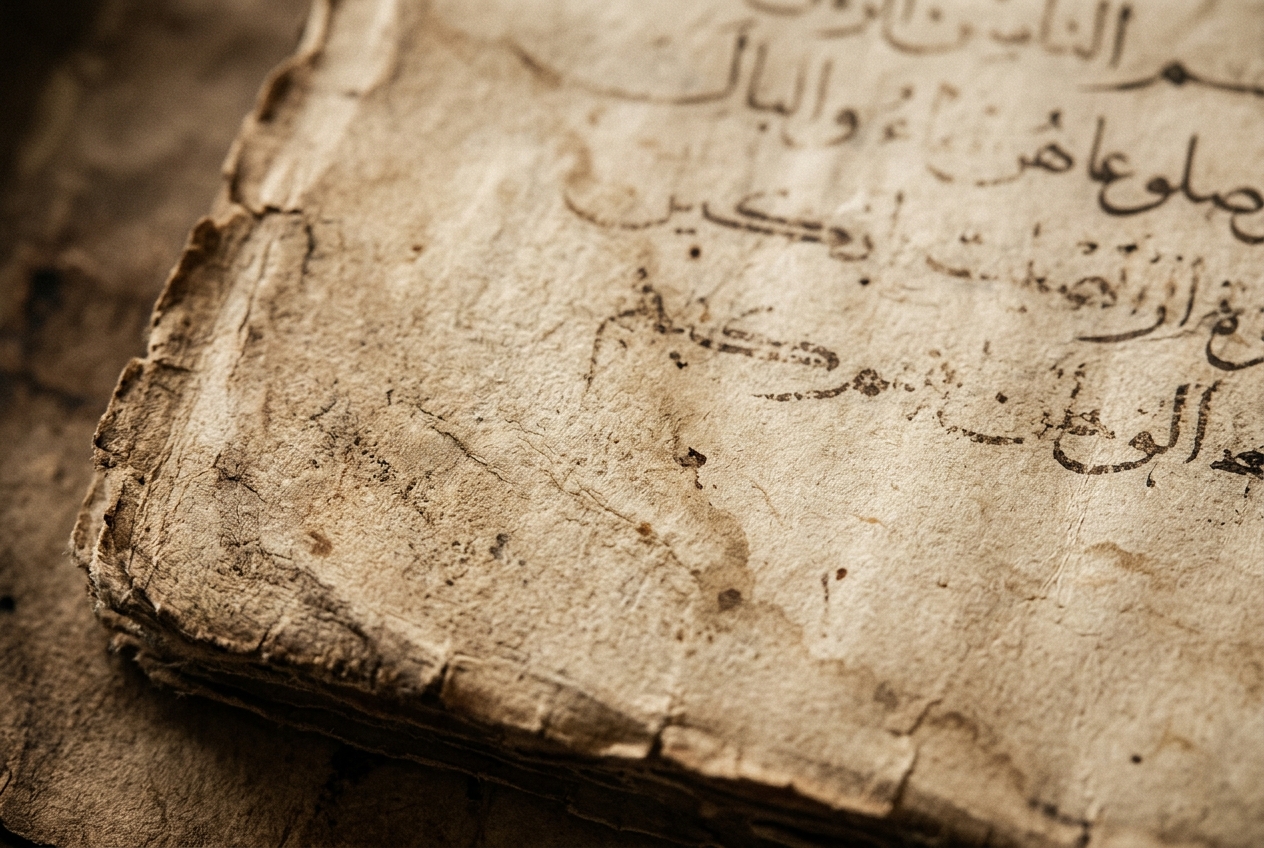
عثمان بن عفّان
Uthman ibn Affan
Dhun-Nurayn · Third Caliph
Quick Facts
Birth
c. 576 CE, Makkah
Tribe
Quraysh — Banu Umayyah
Relationship
Married two daughters of the Prophet ﷺ
Major Role
Third Caliph; compiled the Qur'anic codex
Death
656 CE (35 AH), Madinah
A wealthy, deeply modest merchant, Uthman was called Dhun-Nurayn — 'the one of two lights' — for marrying two daughters of the Prophet ﷺ. His generosity funded the community, and his greatest legacy was the unified written Qur'an.
Biography Timeline
Early Life & Wealth
Of Banu Umayyah, he was a successful cloth trader admired for his gentleness and dignity. He accepted Islam early, among the first through the call of Abu Bakr.
Two Migrations
Married to the Prophet's daughter Ruqayyah, he migrated to Abyssinia and later to Madinah. After Ruqayyah passed away, he married her sister Umm Kulthum — hence 'the one of two lights'.
Generosity
He bought the well of Rumah and gave its water freely to the Muslims, and he equipped a large part of the 'army of hardship' for Tabuk from his own wealth — charity the Prophet ﷺ praised warmly.
The Caliphate & the Qur'an
Chosen as third Caliph, he oversaw wide expansion. As recitation styles spread across new lands, he commissioned a single authoritative written codex and sent copies to the provinces — preserving the Qur'an's unity to this day.
Trial & Passing
Political unrest grew in his later years, ending in a siege of his house in Madinah, where he was killed in 656 CE while holding to patience and refusing to let blood be shed in his defence.
Authentic Narrations
ألا أستحيي من رجلٍ تستحيي منه الملائكة؟
“Should I not feel shy of a man before whom the angels feel shy?”
Sahih Muslim
ورد أن النبي ﷺ سمّى عشرة من أصحابه من أهل الجنة: أبو بكر، وعمر، وعثمان، وعليّ، وطلحة، والزبير، وعبد الرحمن بن عوف، وسعد بن أبي وقاص، وسعيد بن زيد، وأبو عبيدة بن الجراح.
“It is reported that the Prophet ﷺ named ten of his companions as people of Paradise: Abu Bakr, Umar, Uthman, Ali, Talha, al-Zubayr, Abd al-Rahman ibn Awf, Sa'd ibn Abi Waqqas, Sa'id ibn Zayd, and Abu Ubaidah ibn al-Jarrah.”
Jami' al-Tirmidhi (Sahih)
Historical Sources
- ✦Sahih al-Bukhari; Sahih Muslim
- ✦Ibn Kathir, al-Bidayah wa al-Nihayah
- ✦al-Tabari, Tarikh