An Interactive Seerah Journey
THE LIFE OFPROPHET MUHAMMAD ﷺ
A Journey That Changed the World
ArabiaBeforeIslam
A land of tribes, trade and idols
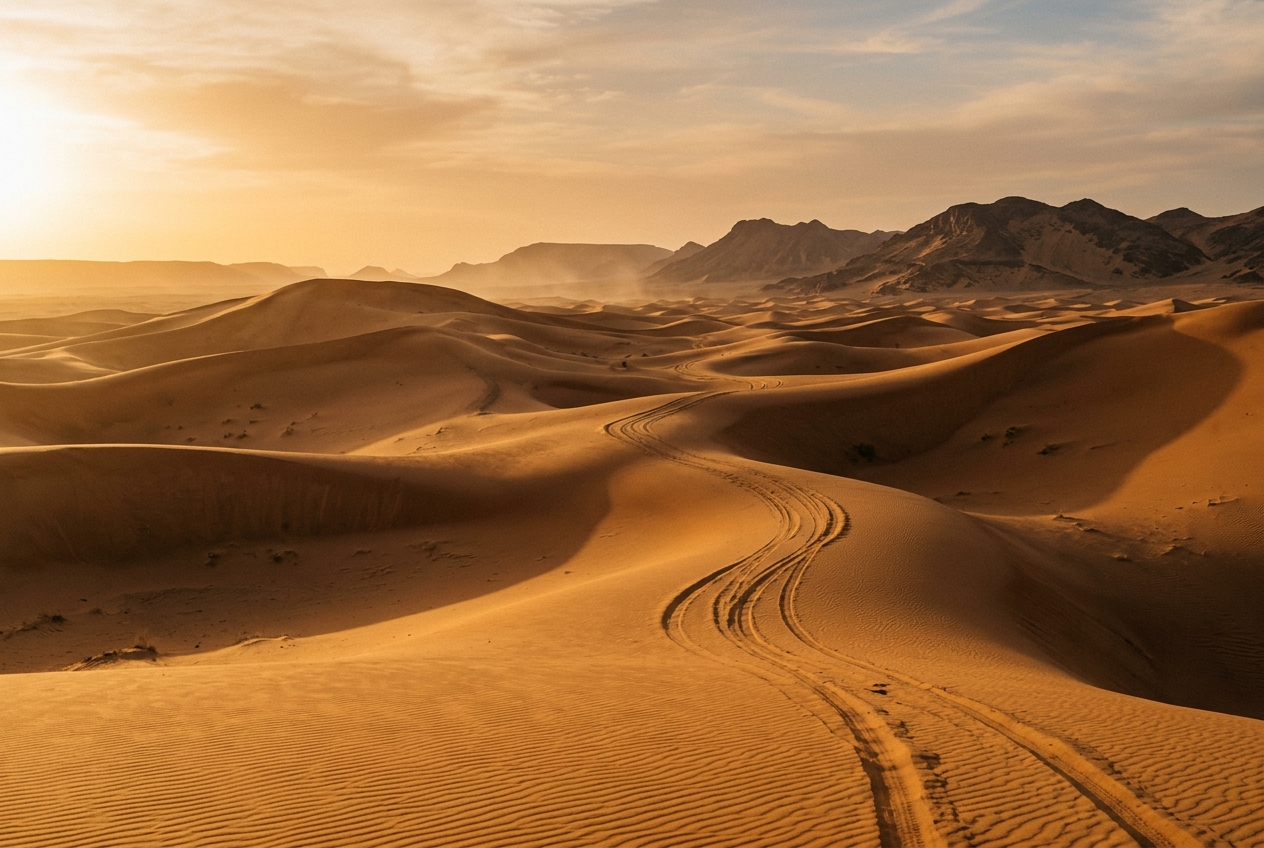
Between the trade roads of the Hijaz, the oases of Najd and the kingdoms of Yemen lived a proud tribal society bound by lineage, poetry and honour. Most worshipped idols set around the Kaaba, while a few — the Hanifs — still sought the pure monotheism of Ibrahim.
MakkahandQuraysh
The house of Ibrahim and Ismail
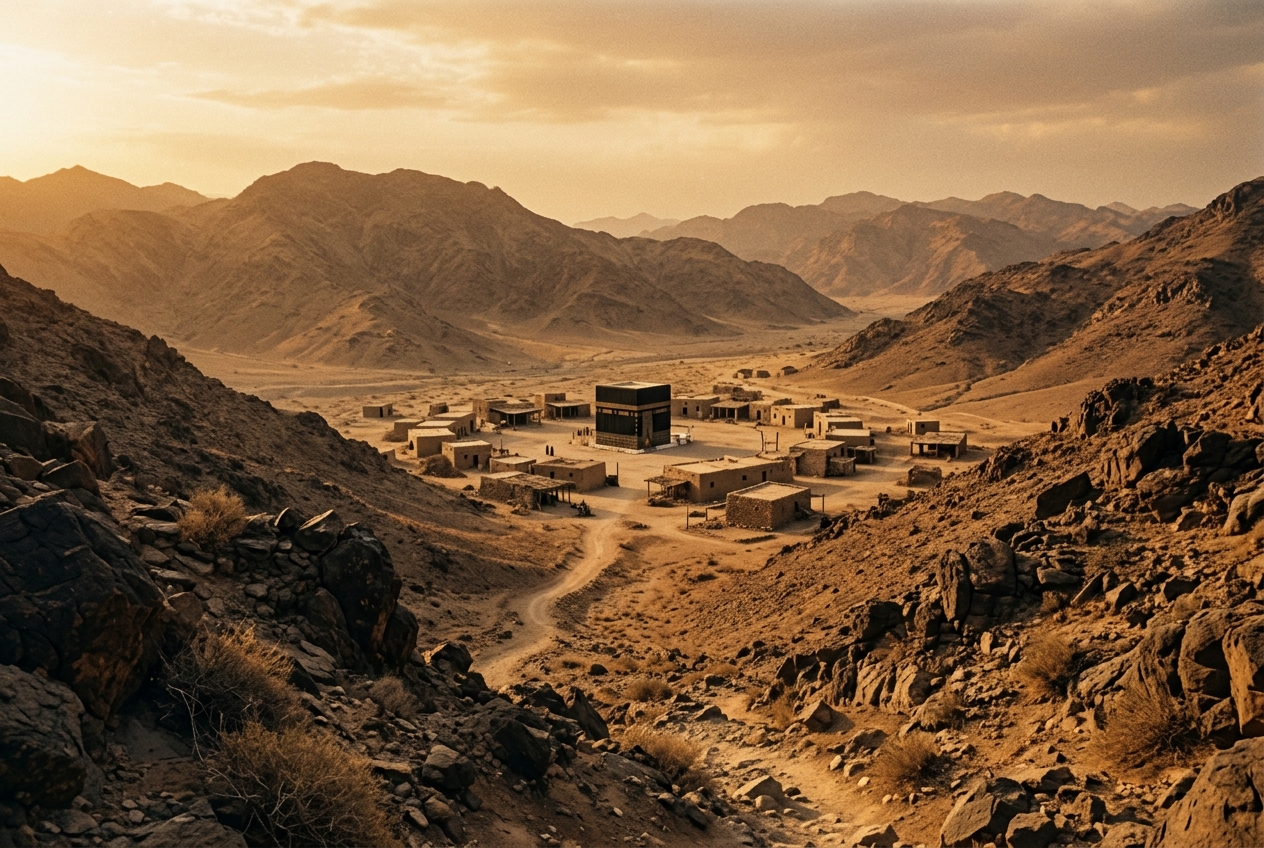
Makkah rose around the Kaaba, the ancient house built by Ibrahim and Ismail. Quraysh, guardians of the sanctuary and its pilgrims, grew wealthy from the winter and summer caravans. Into the clan of Banu Hashim the story of the Message would soon enter.
TheYearoftheElephant
The army that never reached the Kaaba
Abraha marched from Yemen with an elephant to destroy the Kaaba. His army was turned back before the sanctuary — an event the Qur'an later recalls in Surah al-Fil. That same year is remembered as the year the Prophet ﷺ was born.
أَلَمْ تَرَ كَيْفَ فَعَلَ رَبُّكَ بِأَصْحَابِ الْفِيلِ
“Have you not seen how your Lord dealt with the people of the elephant?”
Qur'an · Al-Fil 105:1
BirthofMuhammadﷺ
An orphan of noble lineage
He ﷺ was born into Banu Hashim to Abdullah, who had passed away before his birth, and Aminah bint Wahb. Raised first by the wet-nurse Halimah in the open desert of Banu Sa'd, he lost his mother at Al-Abwa while still a small child, and was taken in by his grandfather Abd al-Muttalib.
Al-Amin—TheTrustworthy
Known for truth before prophethood
As a young man he tended flocks, then traded on the caravans, earning a reputation so spotless that Makkah called him Al-Amin — the Trustworthy. He joined the Hilf al-Fudul, a pact to defend the wronged, and later married Khadijah bint Khuwaylid.
TheCaveofHira
Solitude before the light
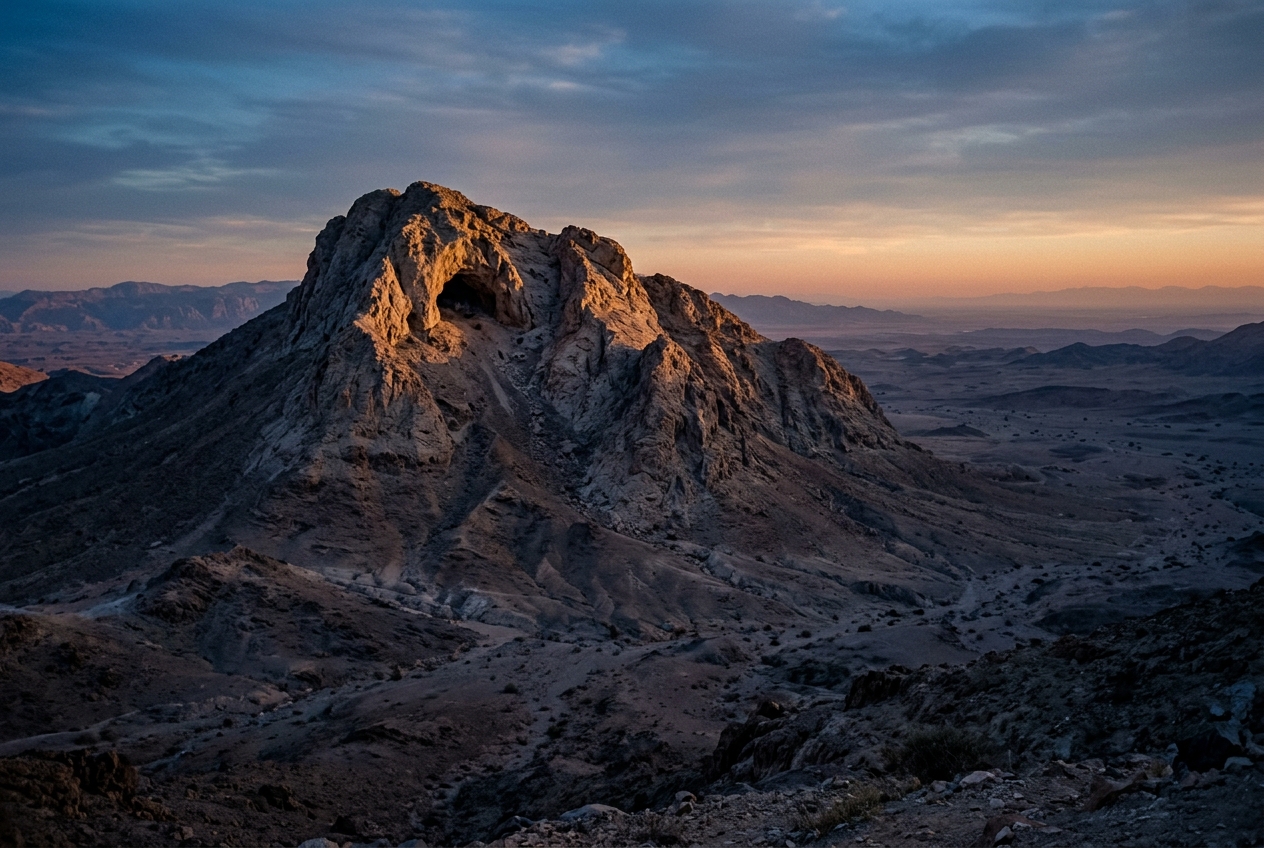
In the years before revelation he ﷺ withdrew to the cave of Hira on the Mountain of Light, spending nights in reflection above Makkah. It was here, in the month of Ramadan, that the first revelation came.
TheFirstRevelation
Read — in the name of your Lord
The angel Jibril came with the command 'Read'. The first verses of Surah al-'Alaq were revealed, and the mission of prophethood began. He ﷺ returned trembling to Khadijah, who became the first to believe.
اقْرَأْ بِاسْمِ رَبِّكَ الَّذِي خَلَقَ · خَلَقَ الْإِنسَانَ مِنْ عَلَقٍ
“Read in the name of your Lord who created — created man from a clinging clot.”
Qur'an · Al-'Alaq 96:1–2
Persecution
Patience under trial
As the call spread, Quraysh turned to persecution. The weak and enslaved — Bilal, Sumayyah, Yasir, Ammar, Khabbab — bore the harshest suffering with steadfast faith. Sumayyah became the first martyr of Islam.
MigrationtoAbyssinia
A just king across the sea
Seeking refuge, a group of Muslims crossed the Red Sea to the Christian king, the Najashi. When Quraysh demanded their return, Ja'far ibn Abi Talib spoke before the king, who granted them protection.
TheNightJourney
From the Sacred Mosque to the Furthest
In a single night he ﷺ was carried from the Sacred Mosque in Makkah to the Furthest Mosque in Jerusalem, and then raised through the heavens. From this journey came the gift of the five daily prayers.
سُبْحَانَ الَّذِي أَسْرَىٰ بِعَبْدِهِ لَيْلًا مِّنَ الْمَسْجِدِ الْحَرَامِ إِلَى الْمَسْجِدِ الْأَقْصَى
“Glory to Him who took His servant by night from the Sacred Mosque to the Furthest Mosque.”
Qur'an · Al-Isra 17:1
TheHijrah
Do not grieve — God is with us
As Quraysh plotted against him, he ﷺ migrated with Abu Bakr, hiding first in the Cave of Thawr. Asma and Abdullah ibn Abi Bakr carried news and provisions; Suraqah pursued and turned back. The journey to Madinah marks the beginning of the Islamic calendar.
لَا تَحْزَنْ إِنَّ اللَّهَ مَعَنَا
“Do not grieve; indeed God is with us.”
Qur'an · At-Tawbah 9:40
ArrivalinMadinah
Desert into a city of light
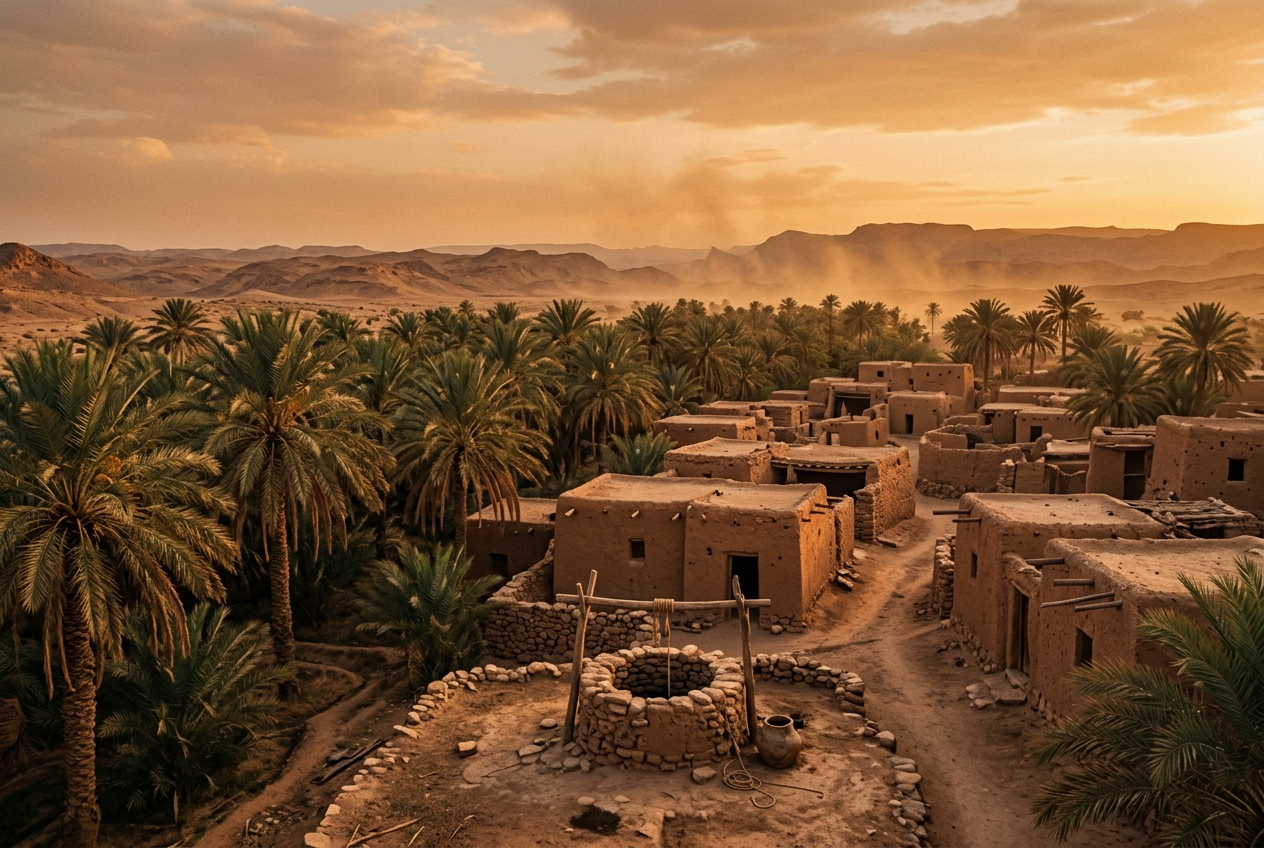
Welcomed by the Ansar, he ﷺ built the Prophet's Mosque, bonded the Muhajirun and Ansar in brotherhood, and drew up the Madinah Agreement between the city's communities. A scattered band of believers became a community.
TheBattleofBadr
The day of distinction
Some three hundred believers met a far larger Makkan force at the wells of Badr. Against the odds they prevailed — a turning point the Qur'an calls the Day of Distinction, when truth and falsehood were made clear.
وَلَقَدْ نَصَرَكُمُ اللَّهُ بِبَدْرٍ وَأَنتُمْ أَذِلَّةٌ
“God had already given you victory at Badr when you were few.”
Qur'an · Al 'Imran 3:123
TheBattleofUhud
A lesson written in loss
At the foot of Mount Uhud a near-victory turned when the archers left their post. Many companions fell, among them Hamza ibn Abd al-Muttalib, the Lion of God. The Qur'an drew from the day lasting lessons in obedience and patience.
TheConquestofMakkah
Mercy at the hour of power
He ﷺ entered Makkah almost without battle. The idols around the Kaaba were removed, a general amnesty was declared — 'Go, for you are free' — and Bilal gave the call to prayer from atop the sacred House. Power was answered with forgiveness.
TheFarewellSermon
Dignity, rights and brotherhood
Before a vast gathering at Arafat he ﷺ delivered the Farewell Sermon, affirming the sanctity of life and property, the rights of others, the equality of people regardless of race, and care for women. It was, in effect, his farewell to the Ummah.
ThePassing&theLegacy
A light that outlived its dawn
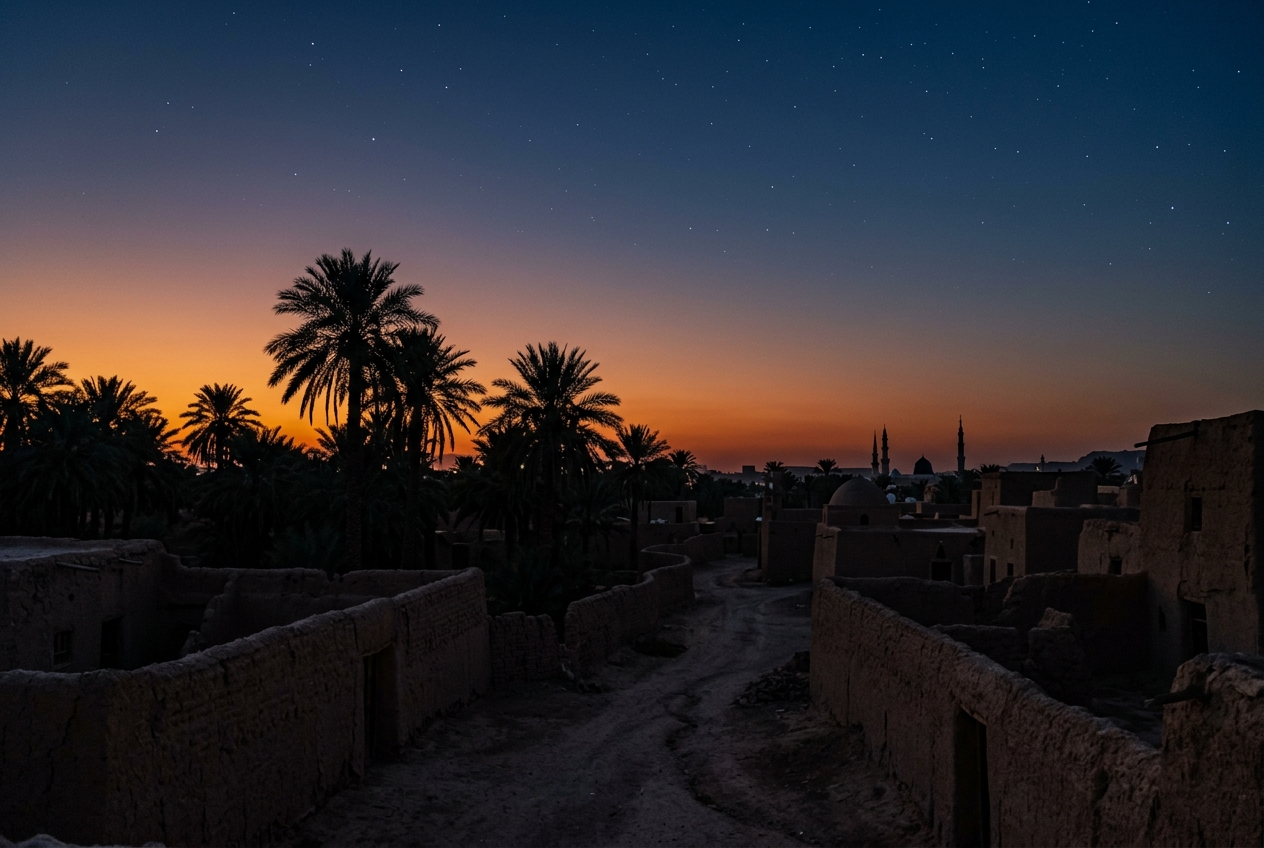
In his final illness he ﷺ asked Abu Bakr to lead the prayer. He passed away in Madinah in 632 CE, and was buried there. He left behind the Qur'an and his Sunnah, and a generation who carried both to the ends of the earth.
The Closest Generation
The Ten Promised Paradise
Ten companions whom the Prophet ﷺ named together as promised the Garden — the closest generation to the Message.
Continue Exploring